



Guides & Templates make company research, business planning, and analysis easier by giving you a structured way to collect information, organize findings, and present useful conclusions. Instead of starting every project from a blank document, businesses can use Guides & Templates to follow proven structures for research, analysis, planning, reporting, and evaluation.
This article explains what Guides & Templates are, why companies use them, how to choose the right format, and how they can support tasks such as company research, competitor analysis, market research, SWOT analysis, financial analysis, risk assessment, and business planning.
What Are Guides & Templates?
Guides & Templates are structured resources that help people complete a specific business task in a consistent and organized way. A guide usually explains what to research and how to complete the task, while a template provides a ready-to-use structure for recording or presenting the information.
For example, a company research template may include sections for:
- Company overview
- Products and services
- Target market
- Business model
- Competitors
- Financial information
- Strengths and weaknesses
- Risks and opportunities
- Sources and references
The combination of instructions and reusable formats makes Guides & Templates useful for students, entrepreneurs, marketers, researchers, analysts, consultants, and business teams.
Why Are Guides & Templates Important for Companies?
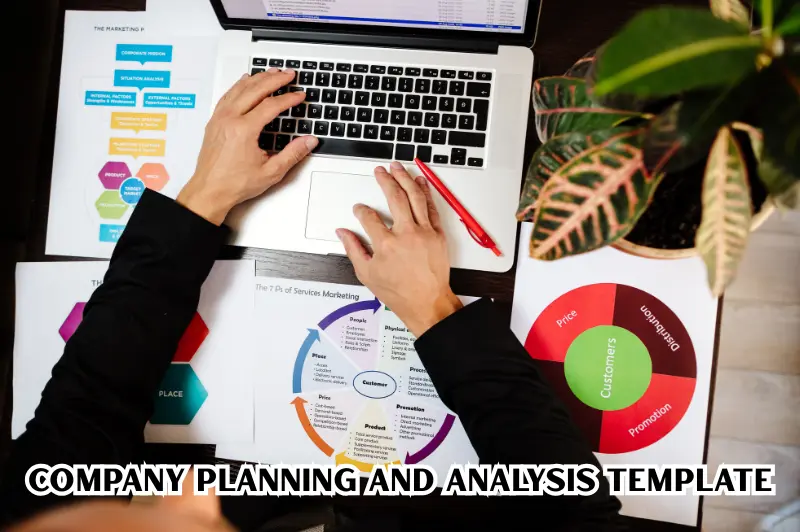
Companies use Guides & Templates because structured information is easier to collect, compare, review, and communicate. A consistent format can also reduce the possibility of forgetting important areas during research.
The main benefits include:
1. Save Time
A ready-made template gives you a starting point. Instead of deciding what sections to create every time, you can follow an existing structure and focus more of your time on collecting and analyzing information.
For example, a company analysis template can already contain sections for ownership, products, competitors, customers, revenue sources, risks, and market position.
2. Improve Organization
Business research can involve information from company websites, financial reports, government databases, industry publications, customer research, and other reliable sources.
Without a clear structure, important information can become difficult to manage. Guides & Templates help organize research into logical sections.
3. Create Consistent Reports
When multiple people work on company research, consistency becomes important. A shared template ensures that researchers use similar headings, categories, and reporting methods.
This makes reports easier to compare and review.
4. Reduce Missed Information
A detailed guide can act as a checklist. It reminds researchers to examine important areas before completing an analysis.
For example, a company risk assessment should not focus only on financial risks. It may also need to consider operational, regulatory, technological, competitive, and market-related risks.
5. Make Complex Tasks Easier
Some business research tasks can appear complicated because they involve multiple stages. Guides & Templates break those tasks into manageable sections.
This is particularly useful for beginners who are learning how to perform company or market research.
Types of Guides & Templates for Company Research
There are many types of Guides & Templates, and the right option depends on the purpose of your research.
Company Research Template
A company research template helps collect basic and advanced information about a business.
It may include:
- Company name and industry
- Headquarters and locations
- Founding information
- Products and services
- Business model
- Target customers
- Competitors
- Management information
- Revenue sources
- Market presence
- Growth opportunities
- Business risks
This type of template is useful when preparing a company profile or conducting initial research.
Business Model Guide
A business model guide helps explain how a company creates, delivers, and captures value.
Important areas can include:
- Customer segments
- Value proposition
- Distribution channels
- Customer relationships
- Revenue streams
- Key resources
- Key activities
- Key partnerships
- Cost structure
A structured business model template can make it easier to understand how different parts of a company work together.
SWOT Analysis Template
A SWOT template organizes information into four categories:
- Strengths
- Weaknesses
- Opportunities
- Threats
The purpose is not simply to fill four boxes. Each point should be supported by relevant evidence.
For example, a strong distribution network could be considered a strength if reliable company or market information supports that conclusion.
Market Research Guide
A market research guide helps businesses understand their market, customers, competitors, and industry environment.
A useful market research template may include:
- Market definition
- Target customer
- Customer needs
- Market size
- Market trends
- Competitor analysis
- Pricing information
- Distribution channels
- Barriers to entry
- Market opportunities
This structure can help turn scattered research into a useful market overview.
Financial Analysis Template
A financial analysis template helps organize financial information for review.
Depending on the purpose, it may include:
- Revenue
- Expenses
- Profitability
- Assets
- Liabilities
- Cash flow
- Profit margins
- Financial ratios
- Year-over-year changes
Financial information should always be taken from reliable and relevant sources. A template can organize the information, but it does not replace professional financial judgment.
How to Use Guides & Templates Effectively
Using Guides & Templates effectively requires more than simply filling in empty fields. The quality of the final analysis depends on the quality of the information entered into the template.
Step 1: Define the Research Objective
First, identify exactly what you want to learn.
For example:
- Are you researching a potential competitor?
- Are you evaluating a company?
- Are you studying an industry?
- Are you preparing a business report?
- Are you researching a target market?
A clear objective helps you select the right template.
Step 2: Choose Relevant Sources
Use reliable sources that are appropriate for your research.
Depending on the company and research objective, sources may include:
- Official company websites
- Annual reports
- Regulatory filings
- Government databases
- Industry reports
- Company press releases
- Reputable business publications
- Investor presentations
Avoid treating unsupported claims from random websites or social media posts as verified facts.
Step 3: Collect Information by Section
Work through the template systematically. If the template has a section for competitors, collect competitor information before moving to another category.
This approach makes the research process more efficient.
Step 4: Verify Important Information
Important claims should be checked against reliable sources whenever possible.
Pay particular attention to information such as:
- Financial figures
- Employee numbers
- Market share
- Company ownership
- Revenue
- Product claims
- Geographic presence
If information cannot be verified, clearly identify it as an estimate, claim, or unavailable information rather than presenting it as a confirmed fact.
Step 5: Analyze Rather Than Copy
A good report does not simply collect facts. It explains what those facts mean.
For example, instead of only stating that a company operates in several markets, explain how its geographic presence may affect its business model, customer base, competition, or operating requirements.
This is where Guides & Templates become more valuable than simple checklists.
Guides vs. Templates: What Is the Difference?
A guide and a template serve different purposes.
| Feature | Guide | Template |
| Main purpose | Explains how to complete a task | Provides a structure for completing it |
| Instructions | Usually detailed | Usually limited |
| Reusability | High | Very high |
| Best for beginners | Yes | Yes |
| Example | Company research guide | Company research worksheet |
A guide tells you what to do and how to do it, while a template shows you where to put the information.
Using both together can create a more complete research workflow.
How Guides & Templates Support SEO and Content Research
Guides & Templates can also be useful for SEO professionals and content teams working on company-related topics.
For example, an SEO content team researching a company can use a structured template to organize:
- Company background
- Products and services
- Target audience
- Industry terms
- Competitor websites
- Search intent
- Related entities
- Frequently asked questions
- Supporting sources
This information can help writers produce content that is more useful and contextually complete.
A company research guide can also help identify related topics such as company business models, market research, financial analysis, competitor analysis, company risk assessment, and business strategy.
Common Mistakes When Using Guides & Templates
Even a well-designed template can produce weak results if it is used incorrectly.
Relying on One Source
Using only one website may leave important information unverified. Compare reliable sources when the topic requires confirmation.
Filling Every Field Without Analysis
More information does not automatically mean better research. Focus on information that answers the research question.
Using Outdated Information
Company information can change. Check publication dates and use current sources when the task requires up-to-date information.
Treating Estimates as Facts
Estimated market size, traffic, revenue, or valuation should not be presented as confirmed information unless the source supports it.
Ignoring the Research Objective
A template should support your objective, not become the objective itself. Remove sections that are irrelevant and add categories that are necessary.
Using the Same Template for Every Task
A competitor analysis, financial review, market research project, and SWOT analysis have different purposes. Guides & Templates should be adapted to the specific research task.
Tips for Creating Better Guides & Templates
If you are creating your own Guides & Templates, keep the user experience in mind.
Start with the final objective and work backward. Decide what information the user needs to produce at the end, then create sections that collect that information.
Keep instructions clear and specific. Instead of writing “Research the company,” provide useful prompts such as “Identify the company’s primary products, target customers, revenue sources, and major competitors.”
Other useful practices include:
- Use clear headings.
- Keep related questions together.
- Include examples where necessary.
- Add source fields for important claims.
- Avoid unnecessary questions.
- Make templates easy to edit.
- Use consistent terminology.
- Review templates regularly.
- Separate facts from interpretation.
- Allow space for notes and observations.
A good template should make the task easier rather than create additional administrative work.
Benefits and Limitations of Guides & Templates
The biggest advantage of Guides & Templates is structure. They help users follow a repeatable process and reduce the amount of time required to organize information.
However, templates also have limitations. A template cannot determine whether a source is trustworthy, whether a conclusion is reasonable, or whether a particular business decision is appropriate.
Templates can also become outdated. Industries change, companies introduce new products, regulations evolve, and research requirements can shift.
Therefore, Guides & Templates should be treated as working tools rather than fixed rules.
For more practical business research resources, explore our Company Research Guide and Company Business Model Analysis to understand how to evaluate a company more effectively. For additional information, you can also refer to reliable external resources such as SEC for company filings and financial information.
Frequently Asked Questions
What are Guides & Templates used for?
Guides & Templates are used to organize and simplify tasks such as company research, market research, business planning, competitor analysis, SWOT analysis, financial analysis, and reporting. Guides provide instructions, while templates provide a structured format for collecting and presenting information.
How can a company research template help?
A company research template helps organize information about a business into categories such as products, customers, competitors, business model, financial information, opportunities, and risks. It can make research easier to review and compare, especially when multiple people are working on the same project.
Are Guides & Templates suitable for beginners?
Yes. Guides & Templates can be particularly useful for beginners because they provide structure and reduce the need to decide what information to collect from scratch. Beginners should still verify important information and learn why each research section matters rather than simply completing fields mechanically.
What should a company analysis template include?
A company analysis template can include company background, products and services, target market, business model, competitors, financial information, strengths, weaknesses, opportunities, threats, risks, and growth factors. The exact sections should depend on the purpose and depth of the analysis.
Can Guides & Templates improve business research?
Guides & Templates can improve the organization and consistency of business research, but they do not guarantee accurate conclusions. Good research still requires reliable sources, careful verification, appropriate analysis, and an understanding of the specific company or market being studied.
Conclusion
Guides & Templates provide a practical framework for organizing company research, business analysis, market research, financial reviews, and planning activities. A well-designed guide explains the process, while a useful template provides a clear place to record the findings.
The most effective approach is to begin with a specific research objective, select an appropriate template, use reliable sources, verify important information, and analyze the findings rather than simply copying facts.
Whether you are researching a company, evaluating competitors, studying a market, or preparing a business report, the right Guides & Templates can make the process more structured and repeatable.
The practical next step is to choose one business task you regularly perform and create a simple reusable template for it. Over time, these structured resources can become a valuable part of your company research and analysis workflow
